Vlog 6
Water-Damaged Drywall After a Storm: What Emerald Coast Homeowners Should Do Before Painting
October 15, 2026
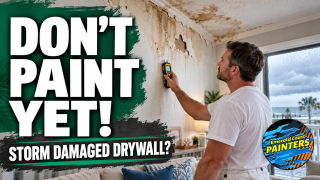
Living along Florida's Emerald Coast means living with the beauty of the Gulf, but it also means hurricane season is a reality you plan around every year. When a storm rolls through Navarre, Fort Walton Beach, Valparaiso, or Destin, water finds a way in. Whether it is a roof leak, wind-driven rain pushing through a window seal, or flooding from storm surge, the result is often the same: soaked drywall, stained ceilings, and walls that look far worse than they did before.
The instinct for most homeowners is to dry things out and grab a can of paint as quickly as possible. It makes sense. You want your home to look normal again. But painting over water-damaged drywall before it is properly assessed and repaired is one of the most common and costly mistakes homeowners make after a storm. The paint will bubble, peel, and stain through in a matter of weeks, and the underlying problem will only get worse.
This guide walks you through exactly what to do, step by step, before a single drop of paint touches your walls or ceilings after storm damage.
---
Why Water-Damaged Drywall Is a Bigger Problem Than It Looks
Drywall is made from gypsum sandwiched between two layers of paper facing. It is durable under normal conditions, but it absorbs water like a sponge. Once wet, the structural integrity of the panel breaks down quickly. The paper facing separates, the gypsum softens, and the whole thing becomes a breeding ground for mold if it stays damp longer than 24 to 48 hours.
Here on the Gulf Coast, humidity makes this worse. A wall that might dry out on its own in a drier climate can stay saturated for weeks in Navarre or Gulf Breeze during the summer months. That trapped moisture turns into a mold problem faster than most homeowners expect.
Beyond mold, water-damaged drywall often signals a larger issue. The visible stain on your ceiling or wall is rarely where the water started. It is where it ended up after traveling through the structure of your home. Understanding the source of the damage is the first step, not the last.
---
Step 1: Find the Source of the Water Before Anything Else
Before you call a painter or pick up a putty knife, you need to know where the water came from and confirm it is no longer an active problem.
Common sources after Gulf Coast storms include:
- Roof damage from wind or flying debris
- Compromised flashing around chimneys, vents, or skylights
- Window and door seal failures from wind pressure
- Soffit and fascia damage that allows water into the attic
- Storm surge or ground flooding in lower elevation areas near the Gulf
If the roof is still leaking or a window seal is still compromised, painting is not just premature, it is a waste of money. Any professional painter worth hiring in Fort Walton Beach or Destin will tell you the same thing. Fix the source first, full stop.
If you are not certain whether the source has been addressed, bring in a licensed roofer or contractor for an inspection before moving forward.
---
Step 2: Allow the Area to Dry Completely
Once the source is resolved, the damaged area needs to dry out thoroughly. This takes longer than most homeowners expect, especially in Florida's humid climate.
For moderate water damage, plan for at least one to two weeks of drying time with proper ventilation. Use fans, dehumidifiers, and open windows when outdoor humidity allows. In Valparaiso and the Fort Walton Beach area, where summer humidity regularly sits above 70 percent, a commercial-grade dehumidifier can cut drying time significantly.
You can use a moisture meter, available at most hardware stores, to check the drywall before proceeding. Drywall should read below 12 to 15 percent moisture content before any repairs or painting begin. If you skip this step and paint over damp drywall, you are trapping moisture inside the wall. That moisture has nowhere to go, and it will push right back through your fresh paint as bubbles, peeling, and brown stains within weeks.
Step 3: Check for Mold Before Any Repairs
Mold is the hidden problem behind most failed paint jobs after a storm. It does not always show up as black spots. Sometimes it looks like a faint gray shadow, a musty smell, or soft, crumbly drywall that gives under light pressure.
Signs you may have mold behind the wall:
A musty or earthy smell in the room
Dark spots or discoloration that keeps spreading
Drywall that feels soft or spongy to the touch
Paint or wallpaper that is lifting or bubbling
Allergy symptoms that get worse when you are in that room
If you see small surface spots on a wall that is otherwise solid, they can often be cleaned and treated. If the mold covers a large area or you suspect it is inside the wall cavity, call a licensed mold remediation company before any painting or patching begins. Painting over mold does not kill it. It just hides it for a while.
Step 4: Decide Whether to Repair or Replace the Drywall
Not every water stain means the drywall has to come out. The key is knowing the difference between cosmetic damage and structural damage.
When You Can Usually Repair It
The drywall is firm and solid once dry
The damage is a surface stain or minor bubbling
The paper facing is intact
There is no sign of mold
When the Drywall Needs to Be Replaced
The panel is sagging, swollen, or crumbling
The paper facing is peeling away from the gypsum
The ceiling drywall is drooping between joists
Mold has spread into or behind the panel
Storm surge or flood water touched the wall
That last point matters a lot here on the Emerald Coast. Flood water from storm surge carries bacteria, salt, and debris. Most professionals recommend cutting out drywall at least 12 inches above the flood line and replacing it completely, along with any wet insulation behind it.
Step 5: Repair the Drywall the Right Way
Once you know what needs to be fixed, the repair process should be done carefully so the wall looks seamless once it is painted.
A proper drywall repair usually includes:
Cutting out damaged sections back to solid material
Installing new drywall patches secured to studs or backing
Taping seams with joint tape
Applying multiple thin coats of joint compound
Sanding smooth between coats
Matching the existing wall or ceiling texture
Texture matching is where a lot of DIY repairs fall apart. Many homes in Navarre, Destin, and Fort Walton Beach have knockdown or orange peel textures on walls and ceilings. If the patch does not match, it will stand out no matter how good the paint job is.
Step 6: Use a Stain Blocking Primer
This is the step most homeowners skip, and it is the reason water stains keep coming back.
Water leaves behind minerals and tannins that bleed through regular paint, even after several coats. A quality stain blocking primer seals those stains in so they cannot show through your finish coat.
For water damage, painters typically use:
Oil based stain blocking primers for heavy stains
Shellac based primers for severe or stubborn discoloration
Mold and mildew resistant primers for bathrooms, kitchens, and high humidity rooms
New drywall patches also need primer. Fresh joint compound soaks up paint differently than the surrounding wall, which leaves a dull, blotchy spot called flashing if you skip it.
Step 7: Paint With Products Made for the Gulf Coast
Now it is finally time to paint. But the product you choose matters, especially in a humid coastal climate.
Tips for a long lasting finish:
Choose a high quality paint with mildew resistant properties
Match the original sheen so the repaired area blends in
Paint the entire wall or ceiling, not just the patched spot
Allow proper dry time between coats, which takes longer in humid weather
Touching up just the repaired area almost never blends perfectly. Even with the exact same color, paint ages and fades over time. Painting the full wall from corner to corner gives you a clean, consistent result.
Don’t Forget to Document Everything for Insurance
Before any repairs begin, take photos and videos of all the damage. Capture the stains, the source of the leak, damaged materials, and any personal property affected.
Keep copies of:
Photos and videos from before, during, and after repairs
Estimates and invoices from contractors
Receipts for dehumidifiers, fans, or emergency supplies
Moisture meter readings if you took them
Many homeowners policies cover storm related interior damage, but your claim is only as strong as your documentation. A professional painting company can provide detailed written estimates that help support your claim.
DIY vs. Hiring a Professional Painter
Small surface stains on a solid wall can be a weekend DIY project if you are comfortable with priming and painting. But most storm damage goes beyond a simple touch up.
It is worth calling a professional when:
The damage covers more than a small area
Ceilings are stained, sagging, or need patching
You need texture matching for a seamless finish
You are working with an insurance claim
You want the job done right the first time
A local painting contractor who handles storm repairs knows how to work with Gulf Coast humidity, matches textures common in area homes, and uses the right primers to make sure stains never come back.
Frequently Asked Questions
Can I paint over a water stain on my ceiling?
Only after the leak is fixed, the area is fully dry, and the stain is sealed with a stain blocking primer. Regular paint alone will not cover it. The stain will bleed through.
How long should drywall dry before painting?
Plan for at least one to two weeks for moderate damage in Florida’s humid climate. Always confirm with a moisture meter that readings are below 12 to 15 percent before repairing or painting.
Does homeowners insurance cover water damaged drywall?
It depends on your policy and the cause of the damage. Sudden storm damage from wind or roof leaks is often covered, while flood damage usually requires separate flood insurance. Check with your insurance agent.
How do I know if there is mold behind my drywall?
Common signs include a musty smell, spreading discoloration, soft drywall, and bubbling paint. If you suspect mold inside the wall, have it inspected by a mold professional.
Get Your Walls Back to Normal After the Storm
Storm damage is stressful enough. Fixing your walls should not be.
Emerald Coast Painters is a family owned painting company serving Navarre, Fort Walton Beach, Destin, Valparaiso, Gulf Breeze, and the surrounding Emerald Coast. We handle everything from drywall repair and texture matching to stain blocking primer and a flawless final coat, so your home looks like the storm never happened.
Our storm repair calendar fills up fast after hurricane season. Don’t wait until stains spread or mold sets in.
👉 Request your free estimate today at bookecp.com and let’s get your home looking like home again.