Blog 20
Drowning in Paint Color Choices? Here's How to Find Your Way Back to Shore
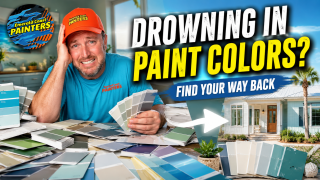
You walk into the paint aisle with good intentions. An hour later, you leave with seventeen sample chips, a mild headache, and zero clarity. Sound familiar?
Choosing paint colors is one of the most stressful parts of any home improvement project. And it's not because homeowners have bad taste. It's because the options are genuinely overwhelming. There are thousands of colors, dozens of finishes, and no shortage of conflicting advice from the internet, your neighbor, and that one design show you watched last Tuesday.
If you're searching for house painters in Milton, FL or anywhere along the Gulf Coast, you've probably realized that picking the right color is just as important as picking the right contractor. The good news is that you don't have to figure it out alone.
At Emerald Coast Painters, we work with homeowners throughout Gulf Breeze, Navarre, Fort Walton Beach, Destin, and the surrounding area every single day. We've seen what works, what doesn't, and how to make the process feel a whole lot less overwhelming. This guide is here to help.
Why Paint Color Decisions Feel So Hard
The problem isn't you. The problem is that paint colors behave differently depending on a dozen variables that you can't fully control inside a store.
Light changes everything. A warm gray that looks perfect under fluorescent store lighting might look lavender in your living room in the afternoon, or nearly purple once the sun goes down. Natural light in coastal Florida is especially intense and bright, which means colors shift more dramatically here than they might in other parts of the country.
Your surroundings matter too. The color of your flooring, your furniture, your cabinets, even the colors of neighboring homes can change how a paint shade reads on your walls. This is why picking a color from a tiny chip in a store and hoping for the best is such a gamble.
And then there's the sheer volume of choices. Major paint brands offer thousands of individual colors. Even narrowing it down to "light blue" leaves you with hundreds of options. It's decision fatigue in its purest form.
Start With Your Fixed Elements, Not the Paint Chip
One of the best pieces of advice our painters give homeowners from Gulf Breeze to Fort Walton Beach is to stop starting with the paint chip. Instead, start with the things you're not changing.
Your fixed elements are things like:
- Flooring material and color
- Countertop and cabinet finishes
- Furniture you're keeping
- Roof color and exterior trim (for exterior projects)
- Brick, stone, or other architectural details
Once you know what's staying put, you have a foundation to build from. A paint color should complement what's already in the room or on the exterior of the home, not compete with it. This simple shift in approach eliminates probably 80 percent of the options right from the start.
Understanding Undertones (And Why They're the Secret to Everything)
Here's the thing most homeowners don't realize until after they've painted a wall and hated the result: every paint color has an undertone, and that undertone matters more than the color itself.
White is a perfect example. There is no such thing as a pure, neutral white in the real world of paint. Every white has an undertone that pulls warm (toward yellow, cream, or pink) or cool (toward blue, gray, or green). If you pair a warm white with cool-toned flooring, it can look dingy. If you pair a cool white with warm wood tones, it can feel clinical.
The same principle applies to every color on the spectrum. A "greige" that looks like the perfect warm neutral in one home might pull green in yours because of your lighting or your floors.
This is exactly why our team offers color consultation services. Having an experienced eye look at your space, your light, and your existing elements before you commit to a color can save you hundreds of dollars in repainting costs and a lot of frustration.
Exterior Color Choices Along the Gulf Coast: What Works Here
If you're painting the exterior of a home near the coast, salt air and humidity are working against your paint job every single day. That's exactly why the color and the product behind it matter more here than almost anywhere else in the country.
Darker colors absorb more heat, which can accelerate fading and put extra stress on siding and trim. Lighter, warmer neutrals tend to hold up better under constant Gulf sun while still giving your home a fresh, updated look. Soft coastal blues, warm greiges, and classic whites remain popular across Gulf Breeze, Navarre, and Destin for a reason. They fit the coastal aesthetic and they age gracefully.
Product choice matters just as much as color choice. We typically recommend Sherwin-Williams Emerald Exterior or Duration for homes in this climate, paired with Loxon primer on stucco and masonry. These products are built to handle humidity, UV exposure, and salt air without breaking down early, which means your color choice actually gets to last.
A few practical tips for exterior color decisions:
- Check your HOA guidelines before falling in love with a color
- Look at your sample in full sun, shade, and early evening light before deciding
- Consider how the color will look against your roof and any brick or stone
- Ask your painter what finish and product they recommend for coastal exposure, not just what color
Interior Colors That Actually Hold Up in Florida Homes
Interior decisions come with their own Gulf Coast quirks. Humidity affects paint performance indoors too, especially in bathrooms, kitchens, and rooms with poor ventilation. A high-quality, moisture-resistant paint in the right sheen will outperform a bargain can of the "perfect" color every time.
For homeowners in Milton, Gulf Breeze, and Fort Walton Beach, we typically see the best long-term results with:
- Soft, warm whites and off-whites in main living spaces to maximize natural light
- Muted blues and greens in bedrooms and bathrooms for a calm, coastal feel
- Slightly deeper accent walls in dining rooms or offices to add contrast without overwhelming a space
The goal isn't to chase a trend. It's to pick colors that fit your home's light, your fixed elements, and how you actually live in the space.
Common Color Mistakes We See (And How to Avoid Them)
After years of painting homes across the Gulf Coast, a few mistakes come up again and again:
Picking a color from a tiny chip. A one-inch swatch cannot tell you how a color will look across an entire wall or exterior. Always test a larger sample first.
Ignoring the room next door. Colors don't exist in isolation. If your open-concept living room and kitchen don't flow together, even great individual colors can feel disjointed.
Skipping the primer step. Especially on Gulf Coast exteriors, skipping or skimping on primer means your beautiful color choice fades or fails faster than it should.
Choosing based on trends alone. Trendy colors can look dated quickly. Choosing based on your home's fixed elements and your own taste holds up much better over time.
How Our Color Consultation Process Works
We built our color consultation process specifically to take the guesswork out of this decision. Here's what it looks like:
We start by looking at your fixed elements, your lighting, and your goals for the space. From there, we narrow down a shortlist of colors instead of handing you a fan deck and wishing you luck. We test large samples in your actual lighting conditions, not under store fluorescents. And we recommend the right Sherwin-Williams product and finish for your specific project, whether that's an exterior facing salt air or an interior bathroom dealing with humidity.
The result is a color decision you can feel confident about before a single drop of paint goes on the wall.
Frequently Asked Questions
What color should I paint my house in Milton, FL? Light to medium warm neutrals, soft blues, and classic whites tend to perform best on Gulf Coast exteriors. They reflect heat more effectively than dark colors and hold up well against sun, humidity, and salt air over time.
How do I choose an exterior paint color for a coastal home? Start with your fixed elements like your roof, brick, and trim. Test large samples in full sun, shade, and evening light. Then choose a paint product rated for coastal exposure, since the product matters as much as the color.
Does salt air affect how paint colors look or last? Yes. Salt air and humidity can accelerate fading and breakdown, especially with darker colors and lower-quality paint. Using a coastal-rated product like Sherwin-Williams Emerald Exterior with proper primer helps colors hold their true tone longer.
What is the best white paint that won't look yellow or blue? It depends on your lighting and fixed elements. Every white has a warm or cool undertone, so the "best" white varies by home. A color consultation matches the undertone to your specific space instead of guessing.
Do you offer color consultations for homes in Gulf Breeze and Navarre? Yes. We provide color consultation services throughout Milton, Gulf Breeze, Navarre, Fort Walton Beach, Destin, and the surrounding Gulf Coast area as part of our painting services.
Not sure where to start with your color choice? Let our team help you narrow it down before you commit to a single drop of paint. Get your free estimate and color consultation at www.bookecp.com.